
Health Seminars for Professionals in Boston, MA
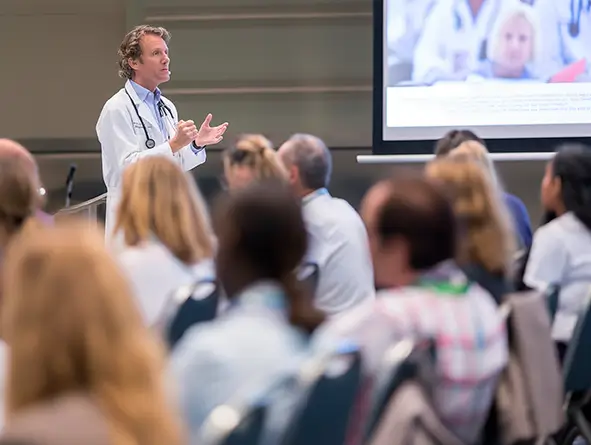
Health Seminars for Professionals in Boston
The coronavirus (COVID-19) pandemic has created many difficulties for working professionals in terms of how they should service clients. Now, faced with limited essential supplies and previously unknown situations, we believe it’s important to assist those who need critical information in maximizing safety for both employers and their staff.
Boston Private Nursing is offering a Health Seminar to train workers in the service sector industry on best practices regarding personal protective equipment (PPE), proper hygiene and sterilization procedures, and more.
Call us today at (781) 304-4466 to schedule a health seminar with our knowledgeable team of experts.
Boston COVID-19 Safety Training Seminar for Service Workers
Our training curriculum incorporates the latest guidelines and recommendations set forth by the Centers for Disease Control and Prevention (CDC) and World Health Organization (WHO).
When you attend our health seminar, you can expect to learn about the following topics:

-
Hand Hygiene Practices
Learn the proper infection control practice and procedure in washing hands and know when to identify when hand hygiene is necessary.
-
Importance of Personal Protective Equipment (PPE)
Understand the different types of PPE (gloves, masks, eye protection, gowns, etc.) and know when to use them and how to properly remove (doffing) and put on (donning) equipment.
-
Infectious Disease Control Principles
Learn about the role of occupational strategies in protecting staff and patients by adhering to the standards of infection control. You’ll also be able to recognize specific settings that raise potential health risks to workers and identify the best safety measures to prevent exposure.
-
Cleaning Techniques
Contaminated surface areas and operating equipment can lead to the transmission of infectious pathogens. We’ll go over the basics of how to sterilize properly and regularly, including the use of specified cleaning agents or wipes.
Why Should I Attend a Health Seminar?
At Boston Private Nursing, we understand this is a concerning time for everyone and believe that by sharing our knowledge and resources, we can help professionals by providing information on pandemic preparedness and how to establish plans for monitoring services as COVID-19 continues to grow. Our ultimate goal is to promote the importance of this virus and teach individuals how to safely work and interact with others without spreading the virus or other infections.
For additional information on our health seminar and how to sign up, please call us at (781) 304-4466 today.
FAQs
What types of workplaces benefit most from professional health seminars?
Workplaces with frequent public interaction or shared environments benefit most. This includes service-based businesses, hospitality teams, and organizations responsible for employee safety. Seminars are designed for settings where clear hygiene and safety protocols directly affect daily operations.
How are these seminars structured for real-world application?
Sessions are structured around realistic workplace scenarios rather than lecture-only formats. Instruction emphasizes practical decision-making, routine behaviors, and situational awareness. This structure helps teams translate guidance into consistent habits.
How can businesses use this training to strengthen internal protocols?
Training helps organizations refine or reinforce existing safety procedures. Teams leave with a clearer understanding of how to standardize hygiene practices and reduce inconsistencies. This supports stronger internal alignment around health expectations.
Is the seminar content adaptable to different operational environments?
Seminars can be tailored to reflect staff roles, workspace layout, and interaction levels. This ensures guidance feels relevant rather than generic. Adaptability helps businesses apply principles without disrupting operations.
What outcomes should organizations expect after completing a seminar?
Organizations typically see improved consistency in hygiene practices and stronger staff awareness. Training supports clearer expectations and more confident decision-making in everyday situations. The goal is sustained improvement rather than one-time instruction.